
The Ouija Board
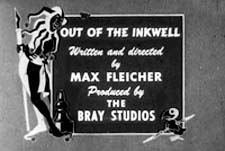
The Ouija Board is a 1920 Out Of The Inkwell theatrical cartoon from Bray Studios, directed by Max Fleischer, released on June 4, 1920.
- Studio
- Bray Studios
- Distributor
- Goldwyn-Bray Pictographs
Synopsis
The Clown must face an army of ghosts who emerge from a haunted house. Things become especially spooky when the dwelling begins to dance.
Characters
The Clown, Ghosts.
Live-Action Characters: Max Fleischer
Credits
Directing
- Director
- Max Fleischer
Producing
- Producer
- J. R. Bray
Writing
- Writer
- Max Fleischer
Animation
- Animator
- Max Fleischer, Roland Crandall
Production notes
Silent cartoon.
A combination live action and animated series created by Max Fleischer, it proved to be one of the most popular silent cartoons. The various mis-adventures of a cartoon clown in a real world. The shorts usully started off with The Clown (who would eventually become Ko-Ko) antagonizing the animator (Max Fleischer) before the adventure began.
An interesting look at the Ouija Board craze of the era.
Reviews
The Ouija Board
As Max Fleischer enters the artists' room, Roland "Doc" Crandal and the janitor are playing with a Ouija board. Max thinks it is nonsense, and proceeds to draw the clown placed outside a deserted old house. Curious about what the two men are up to, he leaves the drawing board to watch the men working the Ouija. In the meantime, the clown is tormented by ghosts and a heating stove that chases him around. After all, being an ink on paper creature, he is much like the Scarecrow in THE WIZARD OF OZ-- afraid of anything representing fire. The clown leaps off from the desk and scurries under the Ouija, causing it to behave in a surprising manner that scares Max and the others, with the black janitor turning white with fright. If one puts these films in the proper historical perspective, one can forgive the racial stereo-typing of the black janitor in this film, or the Chinaman and the reference to laundry. The cleverness employed in these pioneering efforts makes up for what we may today see as politically incorrect, but was done with innocent intent in its time.