
The Chinaman
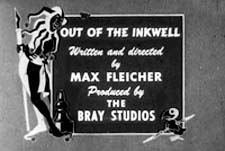
The Chinaman is a 1920 Out Of The Inkwell theatrical cartoon from Bray Studios, directed by Max Fleischer, released on March 19, 1920.
Also known as: Koko And The Chinaman
- Studio
- Bray Studios
- Distributor
- Goldwyn-Bray Pictographs
Synopsis
A kooky artist applies as a portrait artist. While looking at his samples, Max sets aside a cartoon drawing of a Chinese man. The artist then offers to draw Max, and the clown pops out of the inkbottle. Seeing the Chinaman, the Clown feels his position being threatened, and they engage in a cartoon battle where the Clown bursts the Chinaman like a balloon. When the artist isn't looking, the Clown changes the drawing, giving Max a big nose. Max sees his portrait and throws the artist out. Then seeing the clown laughing, he realizes who the real culprit is, and sends The Clown back to the inkwell.
Characters
The Clown, Chinese Character.
Live-Action Characters: Max Fleischer, Artist
Credits
Directing
- Director
- Max Fleischer
Producing
- Producer
- J. R. Bray
Writing
- Writer
- Max Fleischer
Animation
- Animator
- Max Fleischer, Roland Crandall
Production notes
Silent cartoon.
A combination live-action and animated series created by Max Fleischer, it proved to be one of the most popular silent cartoons. The shorts usully started off with The Clown (who would eventually become Ko-Ko) antagonizing the animator (Max Fleischer) before the adventure began.
Speech balloons and intertitles were cut from the TV version. Example: The Chinese character says, "Lite-away me makee chop suey."
Reviews
The Chinaman
A kooky artist comes to Max Fleischer to apply as an artist. While looking at his samples, he is interested in the cartoon drawing of a Chinese man. The artist specializes in portraits and offers to draw Max. Max falls asleep. While they are away from the desk, the clown pops out of the ink bottle, and seeing the cartoon of the Chinaman, feels his position being threaten. They engage in a cartoon battle, where the clown bursts the Chinaman like a balloon. This gets the attention of the artist who tries to grab the clown. The clown slides up inside the artist's coat sleeve, and starts tickling him violently. Then the clown slips out of the coat and changes the nose on the drawing of Max to a large one. Max wakes up hearing the artist laughing, and seeing the unflattering portrait, thows the artist out. Then seeing the clown laughing, he realizes who thre real culprit is, and using an eye dropper, returns the clown to the inkwell. Again a clever use of animation and live bacgrounds, and slighly more advanced than the earlier films. This same story line was repeated in BIG CHIEF KOKO (1924).