
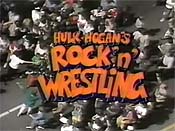
The Wrong Stuff
- Studio
- DiC Entertainment
- Animation studio
- Wang Film Productions Co., Ltd
- Distributor
- LBS Communications
Synopsis
When a disabled shuttle is in danger of colliding with a satellite, Hulk and Nikolai hop into space to save the astronauts. Nikolai's clumsiness almost wrecks the mission, but Hulk's heroic actions and quick thinking save the day!
Characters
Hulk Hogan, Rowdy Roddy Piper, Jimmy "Superfly" Snuka, Junkyard Dog, Fabulous Moolah, Wendi Richter, Captain Lou Albano, Andre the Giant, Hillbilly Jim, Mr. Fuji, The Iron Sheik, Tito Santana, Mean Gene Okerlund, Big John Studd, Nikolai Volkoff
Credits
Producing
- Producer
- Vince McMahon
Writing
- Writer
- Jeffrey Scott
- Story Editor
- Jeffrey Scott
Voices
- Voice
- Brad Garrett (Hulk Hogan), Charles Adler (Rowdy Roddy Piper), Lewis Arquette (Jimmy "Superfly" Snuka), James Avery (Junkyard Dog), Jodi Carlisle (Fabulous Moolah, Wendi Richter), George Dicenzo (Captain Lou Albano), Ron Feinberg (Andre the Giant), Pat Fraley (Hillbilly Jim), Ernest Harada (Mr. Fuji), Aron Kincaid (The Iron Sheik), Joey Pento (Tito Santana), Neil Ross (Mean Gene Okerlund), Chuck Licini (Big John Studd), Ronald Gans (Nikolai Volkoff)
Music
- Music
- Jim Steinman ('Hulk Hogan Theme')
Crew
- Voice Directors
- Stu Rosen, Marsha Goodman
Production notes
Professional wrestling had been around long before television, but the mid-80's brought new levels of popularity to the much-maligned "sport." Due to the business savvy of Vince McMahon, pro wrestling became one of the most successful entertainment ventures in the world. Relying heavily on the "good guy vs. bad guy" storyline and giving each wrestler ample time to speak to the viewers at home, McMahon's World Wrestling Federation became a national phenomenon. It was only a matter of time before a Saturday morning cartoon was developed based on the WWF.
The show featured any wrestler who was popular at the time (Jimmy "Superfly" Snuka, The Junkyard Dog, etc.), but the focus was on the WWF's biggest star, Hulk Hogan. Hogan, who was a positive role model for all, never turned down an opportunity to help out those in need, the springboard to the plots of most episodes. In many cases, Hogan was forced to ally himself and his "good guy" cronies with the "bad guy" wrestlers in order to get things done. The bad guys were usually only looking out for themselves and reverted to their abhorrent ways immediately after solving that week's crisis.
There were two half-hour episodes per show.
The series also featured live segments in which Hogan, along with announcer "Mean" Gene Okerlund, would relay a positive message to the kids, generally one that fit with the day's episode. The show satisfied its "rock" quotient by featuring a montage of the wrestlers performing a variety of acts, backed up by popular tunes in highlight reel fashion. The concept for the series came from musician Cyndi Lauper, who often appeared in the cartoon as herself.
Amazingly enough, none of the wrestlers provided his or her own voice for the cartoon. Apparently, the eloquence they showed in pre- and post-match interviews was too difficult to capture in a voice-over studio. Hogan's cartoon voice was performed by Brad Garrett, who would eventually find fame as Robert Barone on the popular CBS series Everybody Loves Raymond.